
December Quarter BAS: Your Guide to the February 2027 Deadline
Estimated reading time: 8 minutes
Key Takeaways
- December quarter BAS is due 28 February 2027 for quarterly lodgers; January deadline applies for monthly.
- Superannuation for the same quarter must be paid by 28 January 2027, no extensions.
- Christmas parties, gifts, and expenses may trigger Fringe Benefits Tax (FBT)—understand exemptions to reduce liability.
- Proactive reconciliation, cash flow planning, and timely recordkeeping are essential for stress-free BAS lodgment.
- Use digital tools and consult a registered BAS agent for compliance and accuracy.
Table of Contents
- The Correct Due Date for Your December 2026 Quarter BAS
- Why December is a Critical Preparation Month
- A Deeper Dive into Fringe Benefits Tax (FBT) at Christmas
- Superannuation: The Unmissable January Deadline
- Mastering Your December Quarter BAS: Key Tax Components
- Best Practices for a Stress-Free BAS Lodgment
- Modern and Secure Ways to Lodge Your BAS
- Frequently Asked Questions
The Correct Due Date for Your December 2026 Quarter BAS
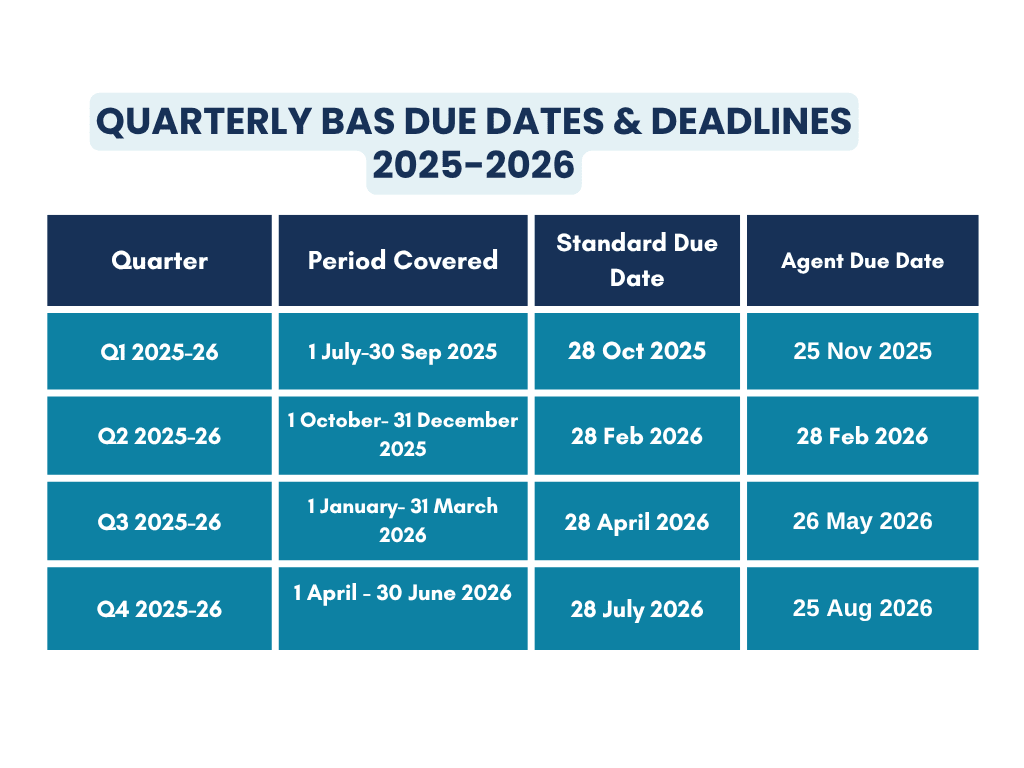
As the year draws to a close, it’s easy for businesses to confuse the December BAS due date with other reporting periods. For the BAS covering 1 October to 31 December 2026—the December quarter—the lodgment and payment is due by 28 February 2027.
Unlike the September BAS due date (for the July–September quarter), which usually falls in late October, the December quarter offers extra time due to summer holidays and business closures. This gives business owners an important buffer to finalise year-end accounts and reconcile holiday transactions.
Monthly BAS lodgers: If your business reports monthly, your December 2026 BAS (covering only December) is due much sooner—by 21 January 2027.
If you use a registered BAS or tax agent, you might be eligible for additional time under the tax agent BAS due date extension program. However, it’s critical to confirm your exact lodgment date with your agent, as special rules or client timing changes may apply.
Why December is a Critical Preparation Month
Though the December quarter BAS due date is in late February, the actions (or inaction) you take in December can make or break your compliance and cash flow. Here’s what makes this period unique:
- Post-Holiday Cash Flow Management: Sales may peak in December, but January is often quieter. Budget in December for your upcoming ATO liabilities to avoid a last-minute scramble when the February BAS is due.
- Accurate Holiday Bookkeeping: Increased sales, special events, extra staffing, and holiday-related purchases all need to be accounted for. Overlooking these in the busiest month can cause BAS errors. Avoid common December BAS mistakes with rigorous recordkeeping.
- Staffing and Resource Planning: With key staff likely taking leave, bookkeepers and business leaders need a schedule for finalising transactions before office shutdowns.
- Year-End Financial Review: December is the ideal time for an internal audit. Review accounts, discuss strategies with your accountant, and tidy records before the rush returns in January.
A Deeper Dive into Fringe Benefits Tax (FBT) at Christmas
Many business owners aren’t aware that Christmas parties, employee gifts, and client hospitality can give rise to Fringe Benefits Tax (FBT). Here’s what you need to know to stay on the right side of the ATO.
Christmas Parties and FBT
If you’re holding a Christmas party, the tax treatment depends on where you hold it, who attends, and the total cost per person:
- The Minor Benefits Exemption: If the benefit is less than $300 per employee and provided infrequently (e.g., once per year), it’s generally exempt from FBT.
- The On-Premises Exemption: If you hold the party for current employees at your business premises during a normal workday, food and drink costs are usually FBT-free. This exemption does not apply to family members or associates.
Example: If you spend $150 per employee for a restaurant Christmas lunch, this is usually considered a minor benefit and not subject to FBT.
Gifts to Staff and Clients
Gifts such as hampers, wine, or vouchers given to employees can also be FBT-free if they’re under $300 in value per person. For clients or suppliers, gifts aren’t subject to FBT—but they are only tax-deductible if they’re not for entertainment. Understand the rules for deductible gifts to make the most of your holiday generosity.
Best Practice: Keep detailed records of party costs, attendance, and gifts. Clear paperwork makes life easier when preparing your BAS and managing your FBT risk.
Superannuation: The Unmissable January Deadline
While December BAS lands in February, your Superannuation Guarantee (SG) contributions for October–December must be received by employee funds by 28 January 2027. This date is non-negotiable—there are no extensions or grace periods for paying super.
Miss the super deadline? You’ll face the Superannuation Guarantee Charge (SGC)—a costly, non-deductible penalty including the owed super, high interest, and an ATO administration fee. SGCs can quickly erase any cash flow gains made in December.
Set calendar alerts and use digital tools to help meet this all-important January deadline.
Mastering Your December Quarter BAS: Key Tax Components
A complete and accurate BAS doesn’t just happen: it requires detailed tracking of every tax obligation for the quarter:
- Goods and Services Tax (GST): Capture total GST on sales, and claim GST credits on purchases—especially crucial in the high-volume December trading period.
- Pay As You Go (PAYG) Withholding: Ensure all salary, wage, and bonus withholdings—including holiday bonuses—are processed and reflected.
- PAYG Instalments: Prepay business tax based on income projections, if your business is required to.
Accurate reconciliation is essential. Review the step-by-step guide to lodging your BAS to ensure you’re on the right track.
Best Practices for a Stress-Free BAS Lodgment
- Reconcile Early in January: Avoid bottlenecks by finalising accounts before the February rush.
- Forecast Your BAS Liability: Use accounting software to estimate your December BAS as early as possible—and set funds aside.
- Double-Check Payroll: Ensure leave loading, commissions, or end-of-year bonuses are processed and reported.
- Move to Paperless Records: Scan and upload all receipts/invoices for simpler BAS preparation and FBT defense.
- Set Reminders: Mark 28 January for super and 28 February for BAS in your digital calendar.
- Get Support: If overwhelmed, a registered BAS or tax agent can ensure compliance and accuracy across all deadlines.
Modern and Secure Ways to Lodge Your BAS
The ATO has gone fully digital, retiring earlier paper forms and systems like AUSkey. Here’s how to lodge your BAS securely in 2027:
- Online Services for Business: Set up a myGovID and link your business through the Relationship Authorisation Manager (RAM) for fast, secure access.
- SBR-Enabled Accounting Software: Modern platforms connect directly to ATO systems. Learn how digital BAS lodgment works within your accounting software.
- Registered Agent Services: Your registered BAS or tax agent can lodge on your behalf using their digital portals. There’s often a tax agent BAS due date extension if you use this channel.
Set up your preferred lodgment method—and test your credentials—well ahead of the BAS due date to avoid last-minute problems.
Frequently Asked Questions
- Reconcile accounts early in January.
- Forecast and budget for your December BAS and super deadlines.
- Keep digital records of all holiday transactions.
- Consult with a registered agent if handling complex situations or staff is unavailable over the holidays.
- Mark critical dates, such as the 28 January superannuation deadline and 28 February BAS deadline, in your calendar and set reminders.
While every effort is made to ensure accuracy, no guarantee is given that the information is complete, up to date, or free from error. Lodgment dates and tax rules may change without notice. You should obtain professional advice before acting on any information provided on this website.
Tax Tracker Pty Ltd and its representatives accept no liability for any loss arising from reliance on the information provided. For personalised tax advice, please contact our office to formally engage our services.